

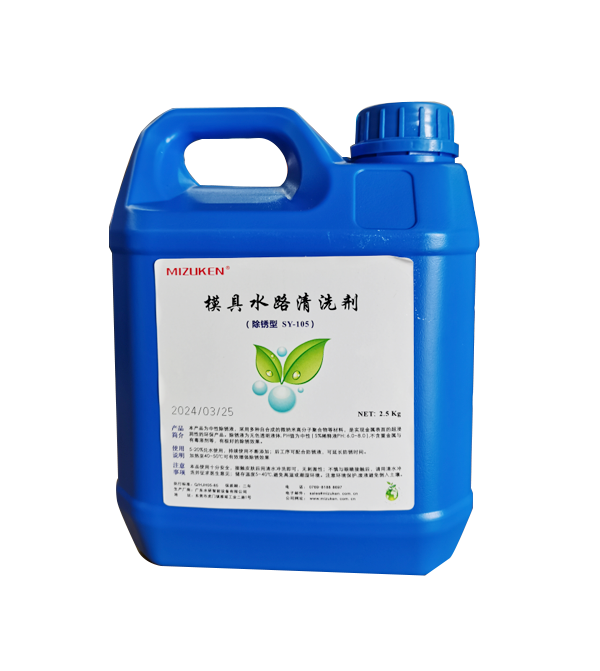
Electrolytic mold cleaning machine: A Technical Guide for Tooling Industry Professionals
Industry Background and Market Demand
The tooling industry faces persistent challenges in maintaining mold precision and longevity. Contaminants such as oxide layers, residual release agents, and carbon deposits accumulate over time, degrading surface quality and dimensional accuracy. Traditional cleaning methods—mechanical abrasion, chemical baths, or ultrasonic cleaning—often fall short in addressing submicron contaminants without damaging delicate mold surfaces.
Electrolytic mold cleaning machines have emerged as a high-precision alternative, leveraging electrochemical reactions to remove contaminants without mechanical contact. The demand for these systems is growing, particularly in industries requiring ultra-clean molds, such as injection molding for medical devices, optical lenses, and high-end automotive components. Regulatory pressures for environmentally sustainable processes further drive adoption, as electrolytic cleaning reduces hazardous chemical waste compared to traditional methods.
Core Technology: How Electrolytic Cleaning Works
Electrolytic mold cleaning operates on the principles of electrolysis, where an electric current passes through an electrolyte solution, inducing controlled oxidation or reduction reactions on the mold surface. The process involves:
1. Electrolyte Solution: A pH-neutral or mildly alkaline solution (e.g., sodium carbonate or phosphate-based) serves as the conductive medium. Unlike acidic pickling, this minimizes corrosion risks.
2. Cathode and Anode Setup: The mold acts as the anode, while a stainless steel or platinum-coated electrode serves as the cathode.
3. Contaminant Removal: Current flow generates oxygen bubbles at the anode, mechanically dislodging oxides and organic residues. Simultaneously, electrochemical reactions break down stubborn deposits at a molecular level.
This method achieves submicron cleanliness without altering mold geometry, making it ideal for high-tolerance applications.
Machine Design and Performance Factors
A well-engineered electrolytic mold cleaning system comprises:
- Power Supply: Precision DC power units (typically 5–24V) with adjustable current density (0.5–3 A/dm²) to accommodate different mold materials (e.g., tool steel, aluminum).
- Tank Construction: Chemically resistant polymers (PP or PVDF) prevent electrolyte degradation. Some systems feature automated filtration to extend solution life.
- Control System: Programmable logic controllers (PLCs) automate cycle times, current regulation, and polarity reversal to prevent uneven cleaning.
Key Performance Metrics:
- Cleaning Uniformity: Dependent on electrode positioning and current distribution.
- Process Speed: Ranges from 5–30 minutes, influenced by contaminant type and mold complexity.
- Surface Finish Preservation: Proper parameter selection avoids pitting or hydrogen embrittlement.
Critical Factors Affecting Quality
1. Electrolyte Composition: Imbalanced formulations may leave residues or accelerate electrode wear.
2. Current Density: Excessive current causes overheating; insufficient current prolongs cleaning.
3. Mold Material Compatibility: Hardened steels tolerate higher currents than aluminum or copper alloys.
4. Maintenance: Regular electrolyte replacement and cathode cleaning prevent efficiency loss.
Supplier Selection Criteria
When sourcing electrolytic cleaning systems, consider:
- Technical Support: Vendors should provide material compatibility guides and process optimization services.
- Compliance: Machines meeting ISO 14001 (environmental management) and CE/UL certifications ensure safety and sustainability.
- Scalability: Modular designs allow integration with existing production lines.
Industry Challenges and Common Issues
- Residual Stress: Aggressive cleaning may exacerbate microcracks in aged molds.
- Process Control: Manual systems risk inconsistent results; automated feedback loops are preferred.
- Cost-Benefit Trade-offs: High initial investment vs. long-term savings in mold refurbishment costs.
Applications and Case Studies
- Medical Molding: A German manufacturer reduced silicone residue buildup on microfluidic device molds by 80%, extending tool life by 30%.
- Automotive: A tier-1 supplier eliminated release agent contamination in headlight lens production, cutting reject rates from 5% to 0.2%.
Trends and Future Developments
1. AI Integration: Predictive algorithms adjust parameters in real-time based on mold wear patterns.
2. Green Electrolytes: Bio-degradable solutions are under development to further reduce environmental impact.
3. Hybrid Systems: Combining electrolytic and plasma cleaning for composite contaminant removal.
FAQ
Q: Can electrolytic cleaning repair mold surface damage?
A: No. It removes contaminants but cannot restore eroded or mechanically damaged surfaces.
Q: Is the process safe for all mold materials?
A: Most tool steels and nickel alloys are compatible, but soft metals (e.g., aluminum) require lower current densities.
Q: How often should the electrolyte be replaced?
A: Typically every 50–100 cycles, depending on contaminant load and filtration efficiency.
Q: Does electrolytic cleaning eliminate the need for manual polishing?
A: In many cases, yes—especially for organic residues. However, deep scratches may still require mechanical intervention.
Conclusion
Electrolytic mold cleaning machines offer a precise, eco-friendly solution for maintaining high-performance tooling. As industries push for finer tolerances and sustainable practices, adopting this technology can significantly reduce downtime and operational costs. Future advancements in automation and electrolyte chemistry will further solidify its role in precision manufacturing.
@2024 Shanmo Precision Machinery (Kunshan) Co., Ltd. All rights reserved. Mold waterway cleaning machine,
electrolytic mold cleaning machine, mold cleaning machine manufacturer
TEL:+86 512-55001520
whats app:+86 15599099006 / +86 15599099098
E-Mail:sanmo030788@gmail.com
Add:No. 56, Yangjiaqiao Road, Zhoushi Town, Kunshan City Jiangsu Province


This website uses cookies to ensure you get the best experience on our website.
 Español
 Pусский
 العربية
 Tiếng Việt



 Your phone
 E-mail
Comment
(0)