

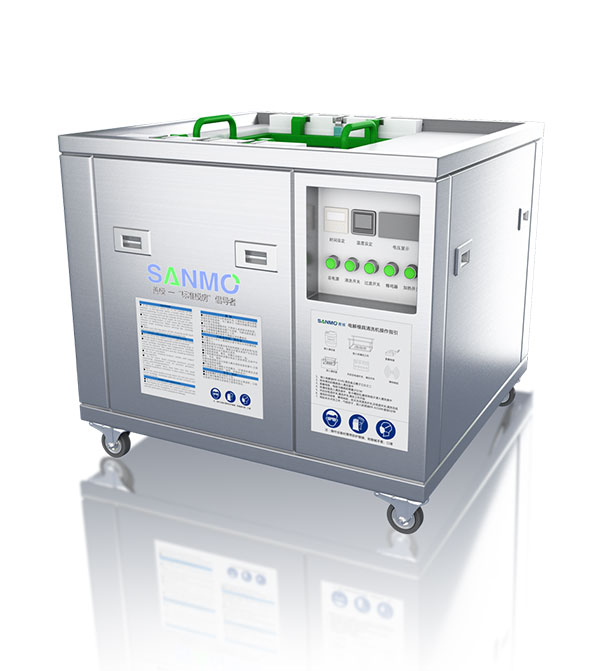
Electrolytic mold cleaning machine Safety and Operation Considerations
Industry Background and Market Demand
The demand for precision mold cleaning has surged in industries such as automotive, aerospace, and consumer electronics, where even minor contamination can compromise product quality. Traditional cleaning methods—chemical, ultrasonic, or manual scrubbing—often fall short in removing stubborn oxides, carbon deposits, and microscopic residues. Electrolytic mold cleaning machines offer a non-abrasive, eco-friendly alternative by leveraging electrochemical reactions to restore molds without damaging their surfaces.
As manufacturers prioritize efficiency and sustainability, electrolytic cleaning systems are gaining traction. The global market for mold cleaning technologies is projected to grow steadily, driven by stricter quality standards and the need for extended tool life.
Core Technology: Electrochemical Cleaning Explained
Electrolytic mold cleaning operates on the principle of electrolysis, where an electric current passes through a conductive electrolyte solution, inducing oxidation and reduction reactions. The mold acts as the anode (positive electrode), while a stainless steel or titanium cathode (negative electrode) completes the circuit.
Key steps in the process:
1. Immersion: The mold is submerged in an electrolyte bath (typically a mild alkaline or acid solution).
2. Electrochemical Reaction: Current flow breaks down contaminants into soluble compounds.
3. Rinsing & Neutralization: Residual electrolytes are removed to prevent corrosion.
Unlike mechanical methods, electrolysis ensures uniform cleaning, even in intricate geometries, without altering dimensional accuracy.
Product Structure and Key Components
A high-performance electrolytic mold cleaning machine consists of:
- Power Supply: Delivers controlled DC current (typically 5–50V, adjustable for different contamination levels).
- Electrolyte Tank: Constructed from corrosion-resistant materials (e.g., PP plastic or titanium-lined steel).
- Electrode System: Cathodes must resist pitting; titanium or platinum-coated variants are common.
- Filtration System: Removes dislodged particles to maintain electrolyte purity.
- Control Panel: Features programmable cycles for current density, temperature, and duration.
Manufacturers often use CNC machining for precision parts and ISO-certified assembly to ensure reliability.
Critical Factors Affecting Performance
1. Electrolyte Composition: pH balance and chemical additives influence cleaning speed and surface finish.
2. Current Density: Excessive current can cause pitting; too low extends cleaning time.
3. Temperature Control: Optimal range (20–60°C) ensures reaction efficiency without electrolyte degradation.
4. Material Compatibility: Certain alloys may require passivation post-cleaning to prevent oxidation.
Supplier Selection and Quality Assurance
When sourcing electrolytic cleaning systems, buyers should evaluate:
- Compliance: Machines should meet CE, UL, or RoHS standards.
- Technical Support: Vendors must provide electrolyte formulations and maintenance protocols.
- Scalability: Modular designs allow integration with automated production lines.
Reputable suppliers often conduct on-site trials to validate performance before purchase.
Common Challenges and Industry Pain Points
1. Residual Stress: Aggressive cleaning can weaken thin-walled molds.
2. Electrolyte Disposal: Neutralizing spent solutions adds operational costs.
3. Operator Training: Incorrect settings may lead to incomplete cleaning or equipment damage.
Applications and Case Studies
- Injection Molding: A German automotive supplier reduced downtime by 40% after switching from manual to electrolytic cleaning for aluminum molds.
- Die Casting: A U.S. aerospace manufacturer eliminated micro-cracks caused by abrasive blasting, extending die life by 30%.
Future Trends and Innovations
1. Automation Integration: AI-driven monitoring for real-time parameter adjustments.
2. Green Electrolytes: Bio-degradable solutions to minimize environmental impact.
3. Hybrid Systems: Combining electrolytic and plasma cleaning for complex contamination.
FAQ
Q: Can electrolytic cleaning damage hardened steel molds?
A: Properly calibrated, it’s safe for hardened steel. Excessive current or prolonged exposure should be avoided.
Q: How often should electrolyte be replaced?
A: Depends on usage; conductivity testing helps determine replacement intervals (typically 3–6 months).
Q: Is electrolytic cleaning cost-effective for small workshops?
A: Yes, compact benchtop models are available for low-volume production.
By adhering to safety protocols and optimizing operational parameters, electrolytic mold cleaning machines deliver a sustainable, high-precision solution for modern manufacturing challenges.
@2024 Shanmo Precision Machinery (Kunshan) Co., Ltd. All rights reserved. Mold waterway cleaning machine,
electrolytic mold cleaning machine, mold cleaning machine manufacturer
TEL:+86 512-55001520
whats app:+86 15599099006 / +86 15599099098
E-Mail:sanmo030788@gmail.com
Add:No. 56, Yangjiaqiao Road, Zhoushi Town, Kunshan City Jiangsu Province


This website uses cookies to ensure you get the best experience on our website.
 Español
 Pусский
 العربية
 Tiếng Việt



 Your phone
 E-mail
Comment
(0)