

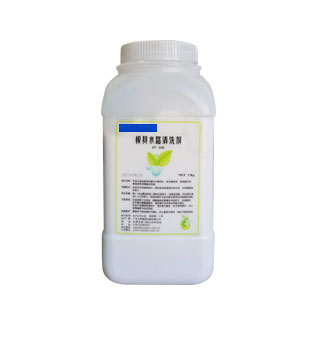
Mold water channel cleaning machine Defect Prevention Strategies
Industry Background and Market Demand
Mold water channel cleaning machines are critical in industries relying on precision molds, such as plastic injection molding, die casting, and blow molding. Over time, mineral deposits, rust, and microbial growth accumulate in cooling channels, reducing thermal efficiency and causing defects like warping, sink marks, or inconsistent cycle times. The global demand for automated cleaning solutions has grown due to stricter quality standards and the need for higher production efficiency. Manufacturers increasingly prioritize defect prevention over reactive maintenance, driving investments in advanced cleaning technologies.
Core Concepts and Key Technologies
These machines utilize a combination of mechanical, chemical, and thermal processes to remove contaminants. High-pressure water jets, ultrasonic cavitation, and descaling agents are common methods. Some systems integrate real-time monitoring via flow sensors or cameras to verify cleanliness. The effectiveness depends on:
- Flow dynamics: Ensuring uniform pressure distribution across all channels.
- Chemical compatibility: Selecting non-corrosive cleaning agents for specific deposits (e.g., calcium vs. biofilm).
- Automation level: Programmable logic controllers (PLCs) reduce human error in multi-step cycles.
Product Structure and Manufacturing Considerations
A typical machine consists of:
- Pump system: Delivers pressurized fluid (50–200 bar) with adjustable flow rates.
- Filtration unit: Captures dislodged debris to prevent recontamination.
- Nozzle assembly: Rotating or multi-directional heads for complex channel geometries.
- Control panel: Customizable cleaning protocols for different mold materials (e.g., P20 steel vs. beryllium copper).
Critical manufacturing aspects include:
- Material selection: Corrosion-resistant stainless steel (e.g., 316L) for fluid-contact parts.
- Precision machining: Tight tolerances (<0.1mm) to prevent leakage in high-pressure seals.
- Modular design: Enables upgrades for new mold types without full system replacement.
Factors Affecting Performance and Quality
1. Water quality: Impurities in the cleaning fluid can introduce new deposits. Deionized water is often required.
2. Channel geometry: Narrow or tortuous channels may need specialized nozzles or extended cycle times.
3. Operator training: Incorrect parameter settings (e.g., excessive pressure) can damage mold surfaces.
4. Preventive maintenance: Regular calibration of pumps and sensors ensures consistent performance.
Supplier Selection Criteria
For OEMs sourcing components:
- Certifications: ISO 9001 compliance and material traceability documentation.
- Testing capabilities: Suppliers should provide flow rate or pressure decay test reports.
- Lead times: Just-in-time delivery is critical for minimizing production downtime.
Common Industry Challenges
- Incomplete cleaning: Residual deposits in blind holes or cross-junctions.
- Equipment downtime: Frequent breakdowns due to inadequate maintenance schedules.
- Cost vs. efficacy trade-offs: Cheap systems may save upfront costs but increase long-term mold damage risks.
Application Case Studies
1. Automotive supplier: Reduced scrap rates by 18% after switching to a pulsed-flow system for aluminum die-casting molds.
2. Medical device manufacturer: Achieved ISO 13485 compliance by implementing automated cleaning logs with RFID mold tracking.
Emerging Trends
- Predictive analytics: IoT-enabled machines alert users to declining performance before defects occur.
- Eco-friendly solutions: Biodegradable descaling agents to meet EU REACH regulations.
- Hybrid systems: Combining laser ablation with chemical flushing for carbonized deposits.
FAQ
Q: How often should molds undergo preventive cleaning?
A: Frequency depends on coolant chemistry and production volume. A baseline is every 500–1,000 cycles, but real-time monitoring is ideal.
Q: Can these machines repair existing mold damage?
A: No. They prevent further degradation but cannot reverse pitting or erosion from prolonged neglect.
Q: What’s the ROI for upgrading to an automated system?
A: Most users recoup costs within 12–18 months via reduced scrap and extended mold lifespans.
Future Outlook
Advancements in AI-driven process optimization and nanotechnology coatings (e.g., self-cleaning surfaces) may redefine mold maintenance. However, current strategies must balance innovation with proven reliability to minimize production risks.
@2024 Shanmo Precision Machinery (Kunshan) Co., Ltd. All rights reserved. Mold waterway cleaning machine,
electrolytic mold cleaning machine, mold cleaning machine manufacturer
TEL:+86 512-55001520
whats app:+86 15599099006 / +86 15599099098
E-Mail:sanmo030788@gmail.com
Add:No. 56, Yangjiaqiao Road, Zhoushi Town, Kunshan City Jiangsu Province


This website uses cookies to ensure you get the best experience on our website.
 Español
 Pусский
 العربية
 Tiếng Việt



 Your phone
 E-mail
Comment
(0)